



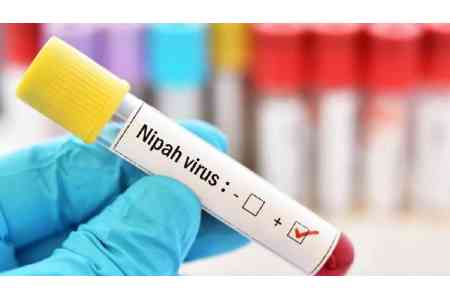
ArmInfo. The National Center for Disease Control and Prevention (NCDC) presented the characteristics of the zoonotic (common to both animals and humans) Nipah virus, its routes of infection, and preventive measures.
According to the source, the main sources of infection are fruit bats and pigs.
Humans can become infected by consuming fruit and palm sap contaminated with the saliva and urine of fruit bats, as well as by handling infected animals, particularly pigs, and by contact with raw materials of animal origin. Human-to-human transmission is also possible through close contact with an infected person.
In recent years, outbreaks among humans have been reported in Malaysia, Bangladesh, and India. Countries with a high risk of spreading the infection include Cambodia, Ghana, Indonesia, Madagascar, the Philippines, and Thailand. The incubation period for the disease typically lasts 4-14 days. The disease can present in various forms: asymptomatically, with symptoms typical of acute respiratory infections, encephalitis, and various neurological disorders.
To prevent infection, the following is recommended: wash fruit thoroughly before consumption; avoid undercooked palm juice; consume animal products that have been thoroughly cooked; avoid close contact with sick people; observe personal hygiene; and use personal protective equipment when caring for animals.
"Considering that the main carriers of the infection-fruit bats-are not common in the Republic of Armenia, the epidemiological risks of the disease's spread are low," the National Center for Disease Control and Prevention stated.






































 Politician: The Moldovan scenario in Armenia will lead to revolution
 American agenda in South Caucasus has two priorities: TRIPP project and increasing pressure on Iran - expert
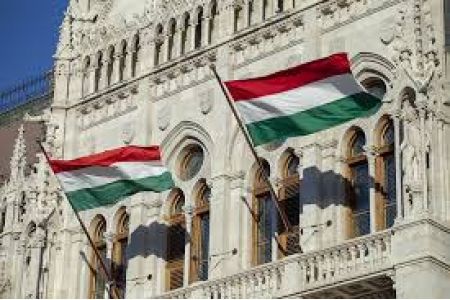 Hungary to stop issuing worker visas to citizens of the Philippines, Georgia, and Armenia
 Russia is counting on holding the next "3+3" meeting in Baku or Yerevan
 Robert Kocharyan: Peace treaty with Azerbaijan will include guarantees for peace
 Edmon Marukyan: 1.7mln people must go to polls, and this government will be crushed
 Armenian authorities have turned country into center of a geopolitical struggle - Samvel Karapetyan
  Expert: Pashinyan is finished if most voters go to polls
 It is up to Armenia to decide what kind of jam it will make - RF vice-premier
  Russia again warns Armenia against following Ukraine`s path
 Kocharyan: We go to elections with proven experience and lessons learned
 Europe stands in solidarity with Armenia in the face of the economic coercion by Russia- European Commissioner