


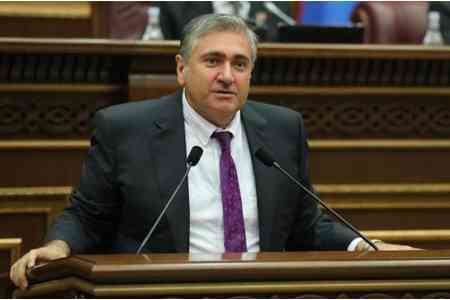
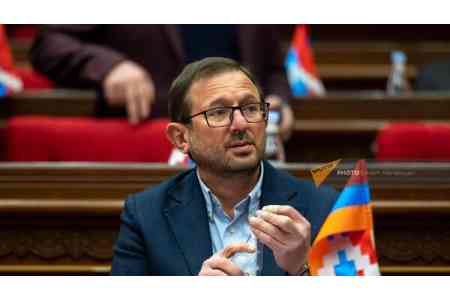
ArmInfo. Until Armenian Prime Minister Nikol Pashinyan changed the negotiation process's logic in 2018, Artsakh was an established state. On March 28, Artur Khachatryan, a member of the National Assembly from the opposition faction "Armenia", stated this in a conversation with journalists in parliament, while commenting on Pashinyan's statements that Armenia should no longer follow the ideology of the Artsakh movement.
Khachatryan recalled that after December 2, 1991, the Artsakh movement took on a new significance and evolved into statehood. The Nagorno-Karabakh Republic, after changes to the constitution, was renamed the Republic of Artsakh (the NKR was officially renamed the Republic of Artsakh in 2017 after a nationwide referendum - ed.). In this regard, the oppositionist pointed out that Artsakh maintained its statehood until Nikol Pashinyan, who came into power, decided to change the negotiation process logic on Artsakh and rejected the latest proposal of the OSCE Minsk Group Co-Chairs for resolving the conflict.
Khachatryan also mentioned that since 2022, the Armenian Prime Minister has actually recognized Azerbaijan's supremacy over Artsakh. At the same time, he is confident that the unbalanced behavior of the Armenian Prime Minister in the country's parliament on March 26 indicates that Azerbaijan has put forward new demands to Armenia. According to him, it is likely that these demands extend beyond just Artsakh, as the concessions made by the current Armenian authorities show no sign of stopping. "I do not deny that Azerbaijan has presented new demands, such as the surrender of the participants in the Artsakh war, and they have already outlined deadlines for fulfilling these demands," Khachatryan explained. In conclusion, the deputy expressed his belief that Azerbaijan's new demands may also involve changing the Constitution of Armenia before the 2026 elections.











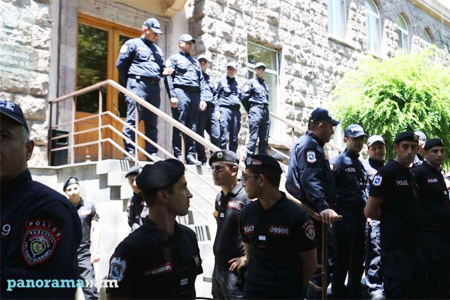




 Politician: Statement by Armenia`s third president may deprive opposition of only political basis for ousting Pashinyan
 Political scientist: Real recount will deprive Pashinyan of any constitutional majority
 Elections in Armenia were accompanied by unprecedented pressure on opposition, RF MFA spokesperson claims
  Expert: Even OSCE observers recorded numerous violations during elections in Armenia
 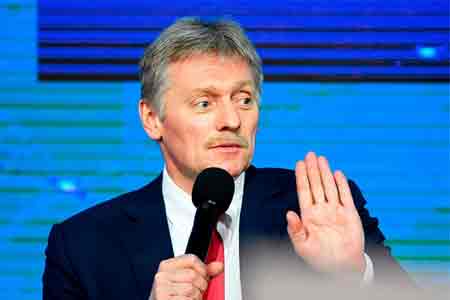 Moscow to await official results of Armenian elections - Peskov
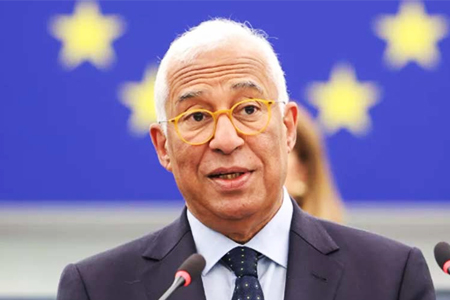 Antonio Costa: EU to deepen its partnership with Armenia, expanding cooperation in energy, trade, and digitalization
 Israeli MFA congratulates Pashinyan
 Turkish MFA comments on results of Armenian elections
 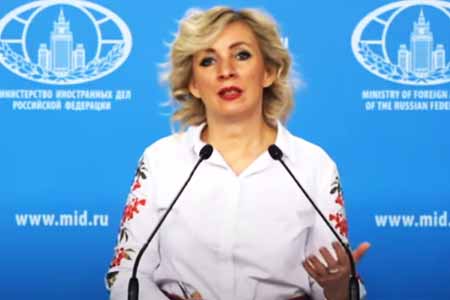 Zakharova: International observers cannot ignore `flagrant violations` in Armenian elections
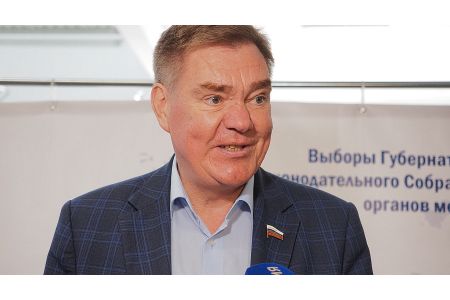 Russian Senator: Opposition complaints regarding election violations by ruling party remain unanswered
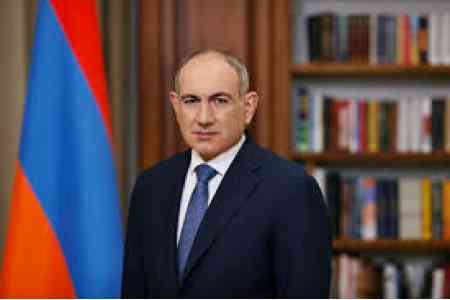 RA premier receiving congratulations on his victory in parliamentary elections
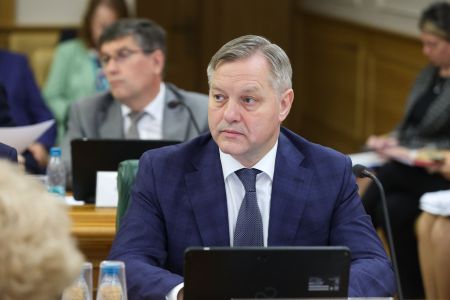 Head of IPA CIS Council Secretariat: Extremely difficult atmosphere during parliamentary elections campaign in Armenia accompanied by mass arrests
 Pashinyan`s party leads with 51.13% based on vote counts from 533 polling stations