

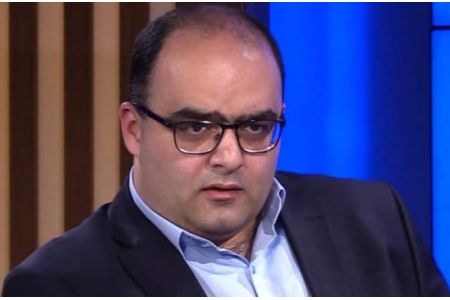
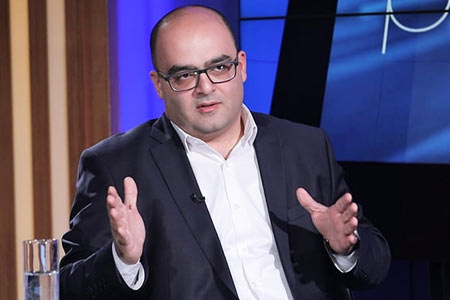
ArmInfo. These days, Yerevan has become a place where foreign voices are louder than its own. Leaders have come here with their programs and ready-made interpretations of the future. And almost imperceptibly, the most important question fades into the background: what is Armenia's place in this future? Political scientist Vahe Davtyan addresses this issue in his article.
According to him, the Armenian authorities seem to have chosen the most convenient path: not to formulate, but to join; not to shape a line, but to move between lines, hoping that movement itself is already a strategy. Meanwhile, this is simply drifting. "Armenia remains a member of the Eurasian Economic Union, a Russian military presence remains on its territory, and at the same time, Yerevan hosts the European political community to discuss a security architecture that leaves little room for former alliances. The authorities call this flexibility. In reality, it means avoiding choice under the guise of multi- vectorism. Yes, in politics, refusing to choose is also a choice. But usually in favor of the force that sets the rules. Armenia accepts, organizes, and accompanies, but it does not shape the agenda. This is the behavior of an administrator, not a sovereign subject," the political scientist believes.
In his opinion, the state thus loses its ability to be a source of meaning and becomes the bearer of alien semantic structures. It ceases to independently determine what is valuable to itself and even begins to borrow evaluation criteria. "It seems the authorities operate on the assumption that the more external attention, the greater the international subjectivity. Meanwhile, attention isn't recognition. It's a resource that's used as long as it's needed. Then it's forgotten. History has repeatedly shown that small states survive not by the number of connections, but by a clear position. When that position is blurred, a country becomes not a bridge, but a passageway. And the most dangerous thing is the illusion that you can simultaneously exist in several incompatible systems without paying a price. There's always a price. It's just never announced in advance," the political scientist concluded.
















 Political analyst: In light of new realities, Yerevan may propose advancing peace process with Baku without constitutional referendum
 Present-day geopolitical competition shifts from territorial control to infrastructure flows
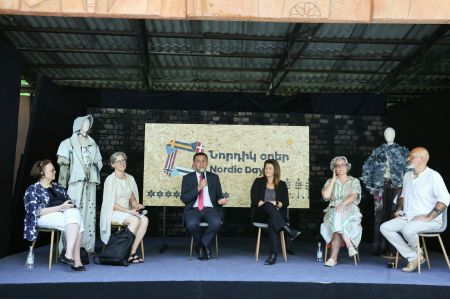 Expert: Public participation in decision-making essential for sustainable urban development
  Politician: Statement by Armenia`s third president may deprive opposition of only political basis for ousting Pashinyan
 Heritage: It`s time for Armenia`s opposition to present people with legitimate alternative to power
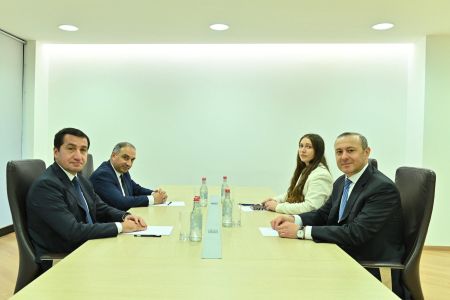 RA Security Council Sec, Assistant to President of Azerbaijan hold negotiations in Dilijan
 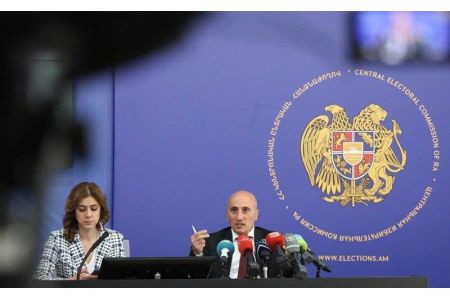 CEC Neutralizes PAP: Three Political Forces to Enter Armenian Parliament Following Election Vote
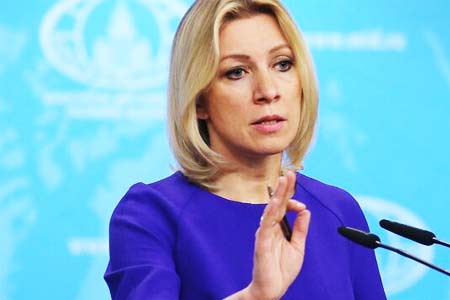 Elections in Armenia were accompanied by unprecedented pressure on opposition, RF MFA spokesperson claims
  Expert: Even OSCE observers recorded numerous violations during elections in Armenia
 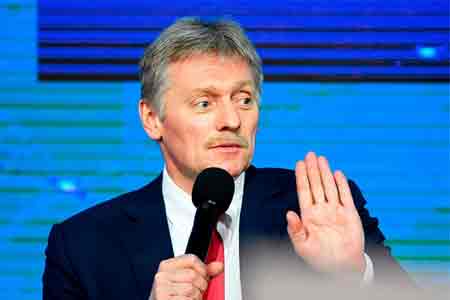 Moscow to await official results of Armenian elections - Peskov
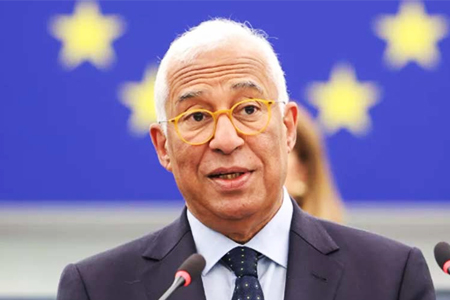 Antonio Costa: EU to deepen its partnership with Armenia, expanding cooperation in energy, trade, and digitalization
 Israeli MFA congratulates Pashinyan
 Turkish MFA comments on results of Armenian elections
 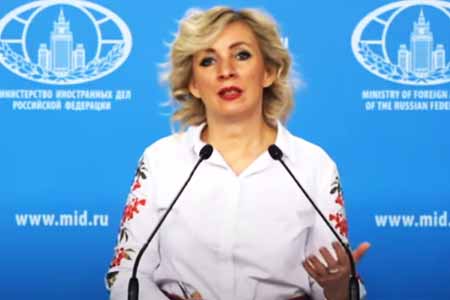 Zakharova: International observers cannot ignore `flagrant violations` in Armenian elections
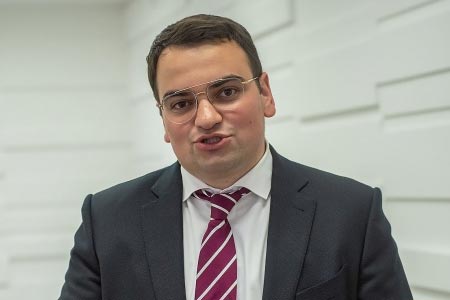 Strong Armenia to issue statement after vote count completed - Narek Karapetyan
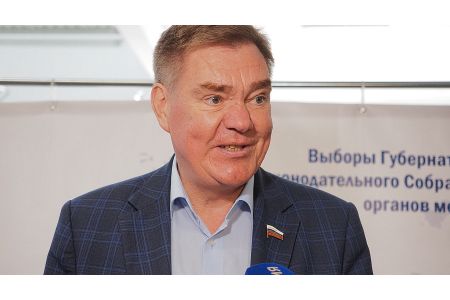 Russian Senator: Opposition complaints regarding election violations by ruling party remain unanswered
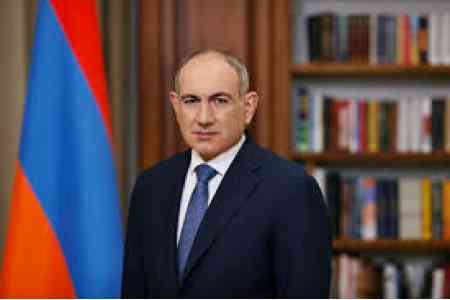 RA premier receiving congratulations on his victory in parliamentary elections