

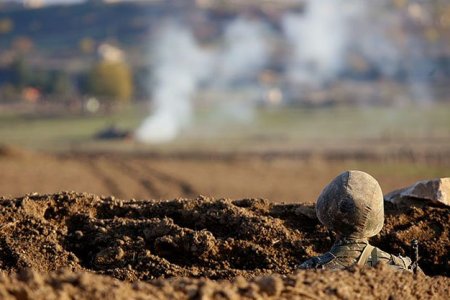
ArmInfo.Today, September 27, 2025, marks five years since the start of the 44-day Artsakh War - one of the most tragic episodes in the modern history of the Armenian people. The war, unfolded in the fall of 2020, claimed the lives of more than 3,800 Armenian servicemen, hundreds remain missing, and thousands of families continue to live in uncertainty.
This war signaled the beginning of the end for Artsakh. Seven districts, along with Shushi and Hadrut, were lost. The aftermath of the war was marked by new armed provocations and military actions by the Azerbaijani Armed Forces, resulting in further casualties and territorial losses for the Armenian side, including within Armenia. The most recent such attack was the bombing of Stepanakert and its environs on September 19, 2023, preceded by a nearly 10-month blockade of Artsakh. The following day, September 20, saw ethnic cleansing and the forced mass exodus of Artsakh residents to Armenia.
On September 28, 2023, Artsakh Republic President Samvel Shahramanyan announced that he had signed a decree declaring the NKR to cease to exist as of January 1, 2024. The document was never made public, and no one has seen it. The decree was signed amid Azerbaijani aggression against the NKR and the threat of the complete physical extermination of the entire Artsakh population. Following the mass forced exodus of the population of the Nagorno-Karabakh Republic, Shahramanyan, back in Yerevan, published a decree rescinding his previous decision. However, this year-on September 1, 2025-the OSCE announced the official dissolution of the OSCE Minsk Group, which was mandated to resolve the Nagorno-Karabakh conflict. Based on a joint statement by Yerevan and Baku, the structure will be completely dissolved by December 1, 2025.
Despite the uncertainty and open wounds, the memory of the war heroes remains. A house-museum has been opened in Yerevan to honor artilleryman Albert Hovhannisyan, who has become a symbol of heroism and self-sacrifice. Literature and art are also not standing aside-books are being published, plays are being staged, and cultural events are being held dedicated to the memory of the fallen. These initiatives, seem to be the only form of public resistance against oblivion and silence today.













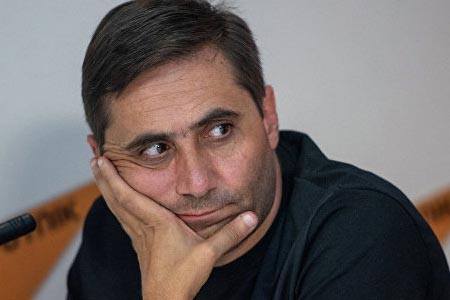 Politician: With high voter turnout, current government to no chance
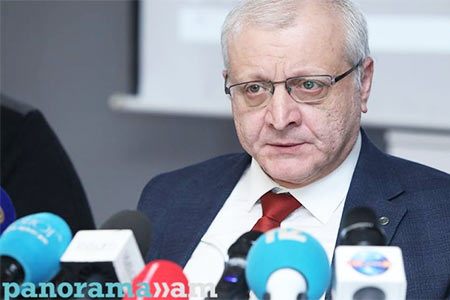 Political analyst: Relatively high turnout indicates that Armenian citizens are actively and consciously shaping the country`s future
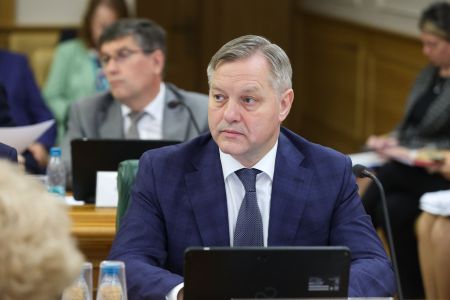 Head of IPA CIS Council Secretariat: Extremely difficult atmosphere during parliamentary elections campaign in Armenia accompanied by mass arrests
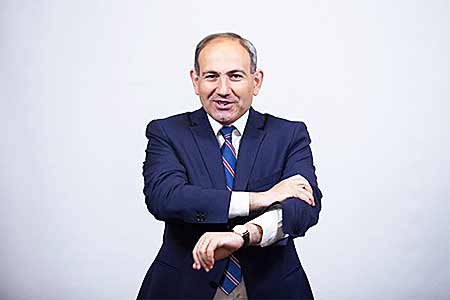 Pashinyan`s party leads with 51.13% based on vote counts from 533 polling stations
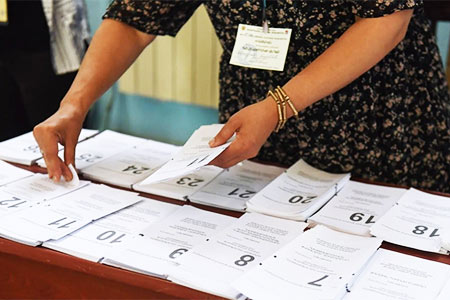
 Voting in parliamentary elections in Armenia ends
  Strong Armenia: Administrative Court not providing judicial decisions to citizens wishing to vote in parliamentary elections
 Russia trying to convey to Armenia that the EU has effectively transformed into a military-political union – Overchuk
 Armenian FM: Relations between Armenia and Russia need " a certain degree of healing"